Unreal Engine allows us to approach animation like videography. Instead of filming physical sets, locations, or products, we build and film inside a real-time 3D environment. Cameras, lighting, movement, and framing all behave like a live shoot, but without the constraints of the physical world.
For businesses, this opens up a new way to create high-end visual content that would be difficult, expensive, or impossible to film traditionally.
What videography with Unreal Engine makes possible
Unreal Engine is widely used in film, television, and interactive media because it renders scenes in real time. That means we can see lighting changes, camera moves, and scene adjustments instantly, rather than waiting for long render cycles.
From a client perspective, this translates into faster iteration, more creative control, and a clearer understanding of what you are getting before the project is finished.
Business use cases
We use Unreal Engine when live-action filming is not practical, or when video animation alone would feel too abstract. Common business applications include:
- Product visualisation where the product does not yet exist, is too large to film, or needs to be shown internally
- Explainer and training content that requires realistic environments without disrupting real operations
- Marketing and brand videos that need a cinematic look without location or travel costs
- Simulations and walkthroughs for processes, systems, or environments
Why Unreal Engine instead of traditional 3D animation?
Traditional 3D animation can be slow to iterate. Changes often require re-rendering entire scenes, which affects timelines and budgets.
With Unreal Engine, we can treat the environment like a virtual film set. We can move the camera, adjust lighting, or refine a scene in real time. This makes collaboration easier and reduces surprises late in the project.
Integrated with a real video workflow
Our Unreal Engine projects are designed to fit seamlessly into a standard video production workflow. Once scenes are captured, they can be refined in tools like Premiere Pro and After Effects alongside live-action footage, motion graphics, and sound design.
This means Unreal Engine is not a standalone novelty. It is another tool in a broader system for creating clear, professional business video.
When Unreal Engine is the right choice
Unreal Engine is most effective when you need:
- High production value without the complexity of physical shoots
- Flexibility to refine visuals late in the process
- Consistency across multiple videos or formats
- A realistic look that still allows creative freedom
If the goal is simple talking-head communication, live action is often the better option. Unreal Engine comes into its own when environment, scale, or control really matter.
Working with Dream Engine
We approach Unreal Engine projects the same way we approach any video production: starting with clarity around the message, the audience, and the outcome.
Technology supports the idea, not the other way around. If Unreal Engine is the right tool, we will recommend it. If it is not, we will say so.
If you’re exploring Unreal Engine for your next video project, get in touch and we’ll help you work out the most effective approach.
Videography with Unreal Engine – Frequently Asked Questions
What is videography with Unreal Engine?
Videography with Unreal Engine involves filming inside a real-time 3D environment rather than a physical location. Cameras, lighting, movement, and framing work like a live shoot, but the set is virtual.
When does Unreal Engine make more sense than live-action filming?
Unreal Engine is useful when physical filming would be impractical, expensive, or limiting. This includes products that do not yet exist, large or inaccessible environments, simulations, or situations where you need full control over lighting, camera movement, and surroundings.
How is Unreal Engine different from traditional 3D animation?
Traditional 3D animation often requires long render times for changes. Unreal Engine renders scenes in real time, allowing lighting, camera moves, and scene adjustments to be reviewed instantly, which speeds up iteration and reduces surprises late in the project.
What types of business videos use Unreal Engine?
Unreal Engine is commonly used for product visualisation, training and explainer videos, simulations, walkthroughs, and cinematic brand content where realism and flexibility are important.
Can Unreal Engine footage be edited like normal video?
Yes. Unreal Engine footage can be integrated into standard video workflows and edited in tools like Premiere Pro and After Effects alongside live-action footage, graphics, and sound design.
Is Unreal Engine suitable for all video projects?
No. For simple talking-head videos or straightforward communication, live action is often the better option. Unreal Engine is best used when environment, scale, or creative control plays a significant role in the message.
How much does an Unreal Engine video cost?
Cost depends on the complexity of the environment, duration, and level of detail required. Once the brief is clear, we can recommend an approach that fits both the project goals and the budget.
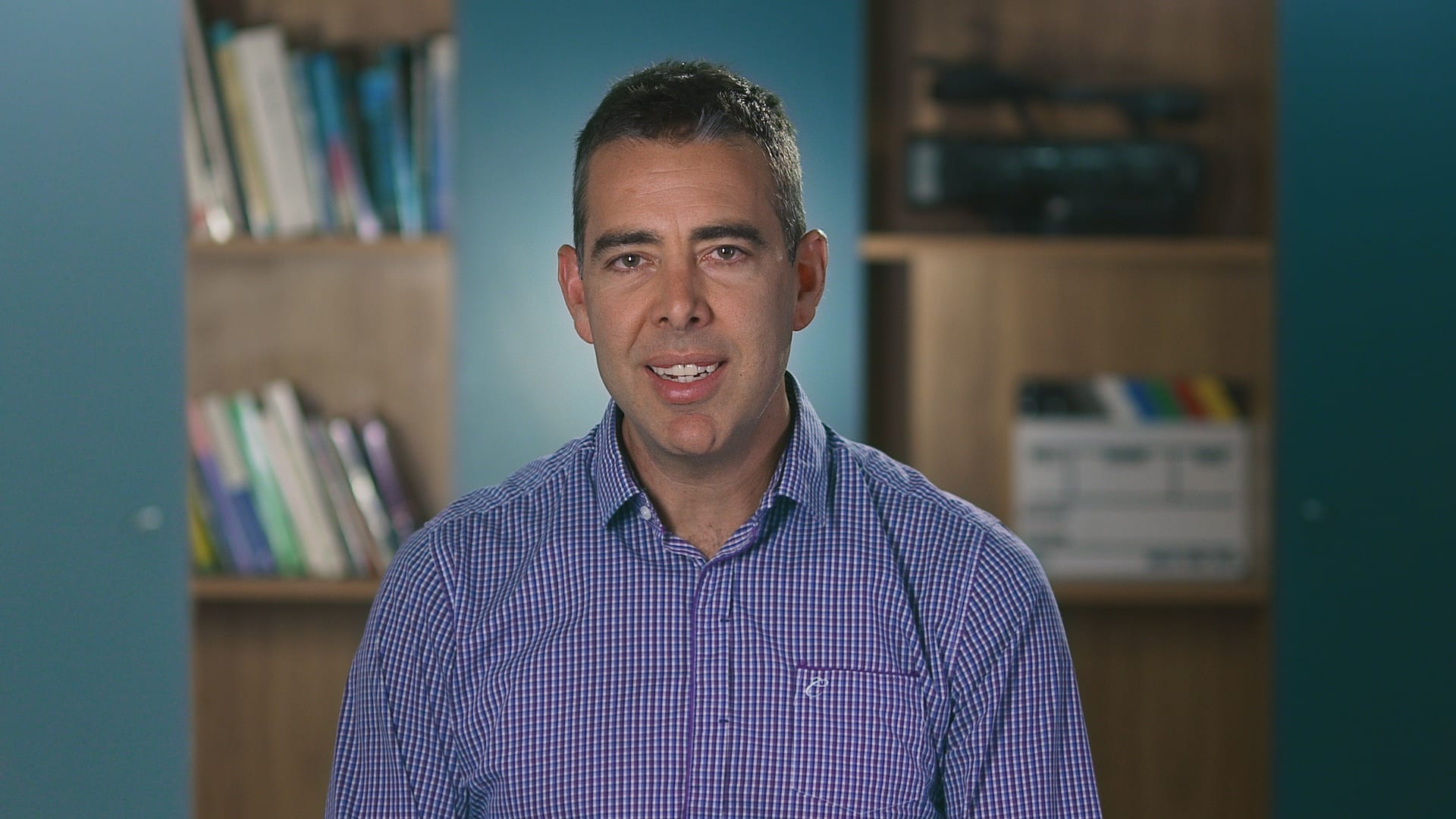
Ryan Spanger is the founder and managing director of Dream Engine, a Melbourne video production company established in 2002. Over the past two decades, he’s produced hundreds of videos for businesses, government departments, universities and healthcare organisations across Australia. Ryan specialises in helping organisations explain complex ideas through clear, engaging video content, with particular experience in corporate communications, training and education.