YouTube is one of the most effective ways to use web video to reach customers who are researching, comparing, and seeking solutions. When you publish the right kind of social video content, you’re creating a 24/7 sales asset that works quietly in the background to attract visitors, build trust, and bring qualified leads into your business.
In this guide, you’ll learn how YouTube works as a search platform, how to choose the right topics, and how to turn viewers into website visitors and long-term clients.
Why Promote Your Business on YouTube?
YouTube isn’t just a video platform. It’s the world’s second-largest search engine, and it’s where people go when they want answers explained visually. If someone is trying to understand a concept, compare products, or learn how to solve a problem, YouTube gives them an experience that text alone can’t match.
Broadly speaking, most YouTube content falls into three categories: entertaining, unusual, or useful. If you run a business, useful content is where you’ll make an impact. When you teach viewers something they genuinely want to know, you earn their attention. And attention is the start of the relationship.
Your goal isn’t to make a viral video. It’s to consistently publish content that helps your ideal customer move closer to a decision. Over time, this positions you as a trusted expert and increases the likelihood that viewers will visit your website, make contact, or request a quote.
Use Keywords to Reach the Right Audience
People discover YouTube videos through search, suggested videos, Shorts, and external links. Search is still one of the most reliable ways to reach new viewers, so identifying the right keywords matters.
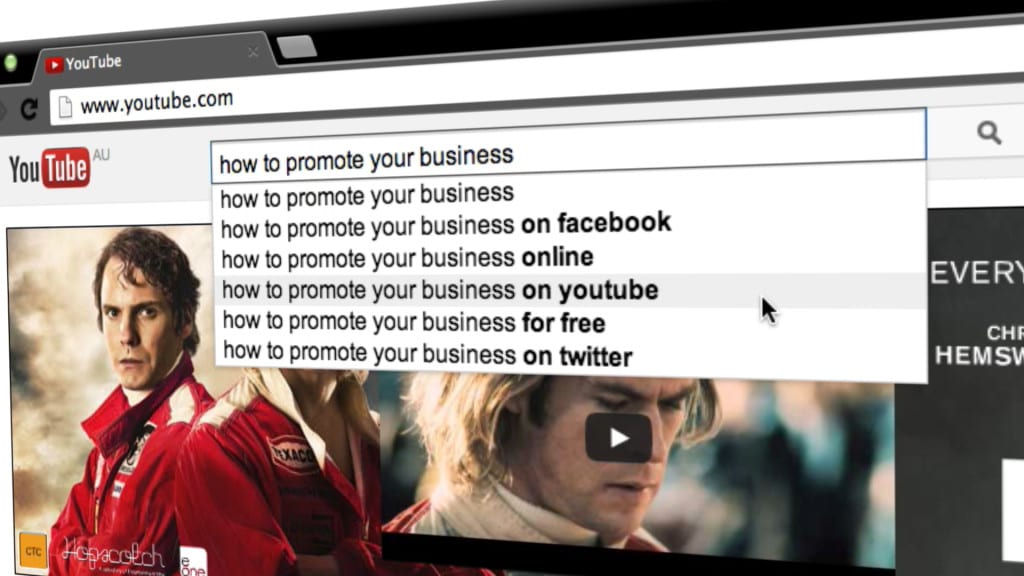
A simple way to begin is to type a phrase into YouTube’s search bar and watch the autocomplete suggestions. These suggestions come directly from real user searches and give you insight into what your market is asking.
Once you identify a phrase that matches what you want to be known for, shape your video around that topic. Use the keyword naturally in the title, speak it in the video itself, and include it in the description. You don’t need to overdo it. You just need to make it clear what problem your video solves.
Examples of content types that work well for businesses:
- “How to…” tutorials
- Common industry questions
- Short explainers
- Behind-the-scenes production insights
- Case studies demonstrating outcomes
At Dream Engine, many of our clients attract long-term leads from simple educational videos that continue to rank for years. Teaching consistently outperforms selling.
Create Content That Delivers Value
YouTube viewers expect clarity and usefulness. The moment a video feels like a thinly disguised sales pitch, they’ll leave. Instead of trying to persuade viewers to buy, focus on helping them understand something important. When your content answers the question they were searching for, you automatically build trust.
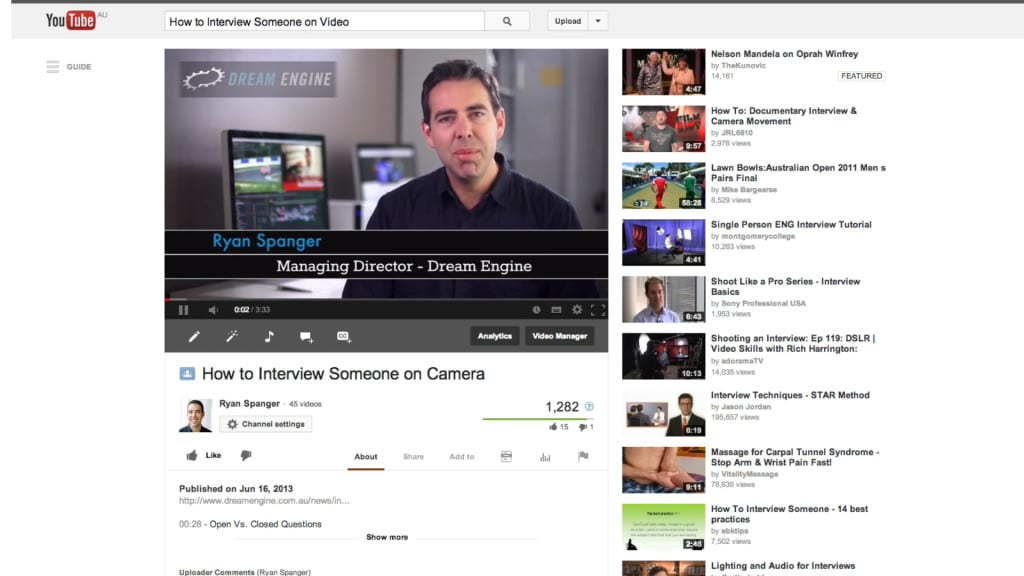
A direct, face-to-camera video works well for many businesses because it feels personal and straightforward. Viewers can see your expressions, hear your tone, and get a sense of who you are. You don’t need complex production to make this format effective, but strong sound, clean lighting, and tight editing make a difference.
Other formats work just as well, depending on your goal:
- Screen recordings for software demos
- Animated explainers for abstract ideas
- Client testimonials and case studies
- Product or service walk-throughs
What matters most is that the viewer walks away with something useful.
Understanding Calls to Action (CTAs)
A call to action is the step you want viewers to take once they’ve finished watching. YouTube gives you several modern tools to guide viewers naturally without interrupting the video experience.
Common CTAs include:
- Subscribe to your channel
- Watch the next relevant video
- Download a guide or resource
- Visit your website for more details
- View a case study or portfolio page
The goal is always the same: bring YouTube viewers to a place where you can build a deeper relationship. Typically, that means your website, your service pages, or a landing page designed to capture email addresses.
If you want viewers to take your next step seriously, the video needs to earn that click through clarity, value, and relevance.
How to Drive More Viewers to Your Website
For most businesses, sending traffic from YouTube to the website is the key commercial outcome. Your website is where viewers can see pricing, services, testimonials, and examples of your work. YouTube builds awareness. Your site turns interest into enquiries.
Here are the most effective ways to encourage viewers to visit your site:
- Clear CTA inside the video. Say it out loud or include it visually.
- Pinned comment with your link. This keeps the CTA visible on mobile.
- Strong description with your link in the first two lines.
- End screen directing viewers to your site or the next relevant video.
- A compelling reason to visit. Offer extra detail, templates, checklists, or bonus resources.
Visitors who arrive through YouTube are usually more qualified than general website traffic. They’ve already spent time listening, learning, and evaluating your expertise. This shortens the path from awareness to enquiry.
Why You Should Capture Email Addresses
Email is still one of the most reliable ways to build long-term relationships with potential clients. If you sell a service that requires trust, consultation, or multiple decision-makers, an email list helps warm people up over time.
Most viewers won’t hire you after watching a single video. But they may sign up for something valuable, such as:
- A guide or checklist
- A short email course
- A behind-the-scenes breakdown of a project
- A resource kit related to the video topic
These small commitments gradually build familiarity and authority. When the time comes to choose a provider, your name is already front-of-mind.
If you’re creating new content, consider linking viewers to:
- Your Corporate Video Production page
- Your Social Media Video Production page
- Your Case Study Video Production page
These pages help viewers understand what you do and show the depth of your work.
Bringing It All Together
YouTube works best when your videos answer real questions, your CTAs are clear, and your content links into a bigger strategy. Think of each video as one piece of a long-term library. Over time, this library becomes a powerful source of organic traffic and leads.
If you’d like help producing YouTube content for your business, or you want advice on how to shape a long-term content strategy, get in touch with Dream Engine. We’d be happy to talk you through the best approach for your goals.
Frequently Asked Questions
How long should my YouTube videos be?
Length depends on the topic, but most educational business videos work well in the 3–8 minute range. The priority is clarity rather than duration.
Do I need professional production for YouTube?
Not always. Simple content can work well, but professional production helps with clarity, trust and presentation. We guide clients on when to scale up or keep it simple.
How often should I upload?
Consistency matters more than volume. A regular monthly or fortnightly schedule works well for many businesses.
What topics work best?
Practical, helpful topics that solve a specific problem. Your analytics will quickly show what viewers respond to.
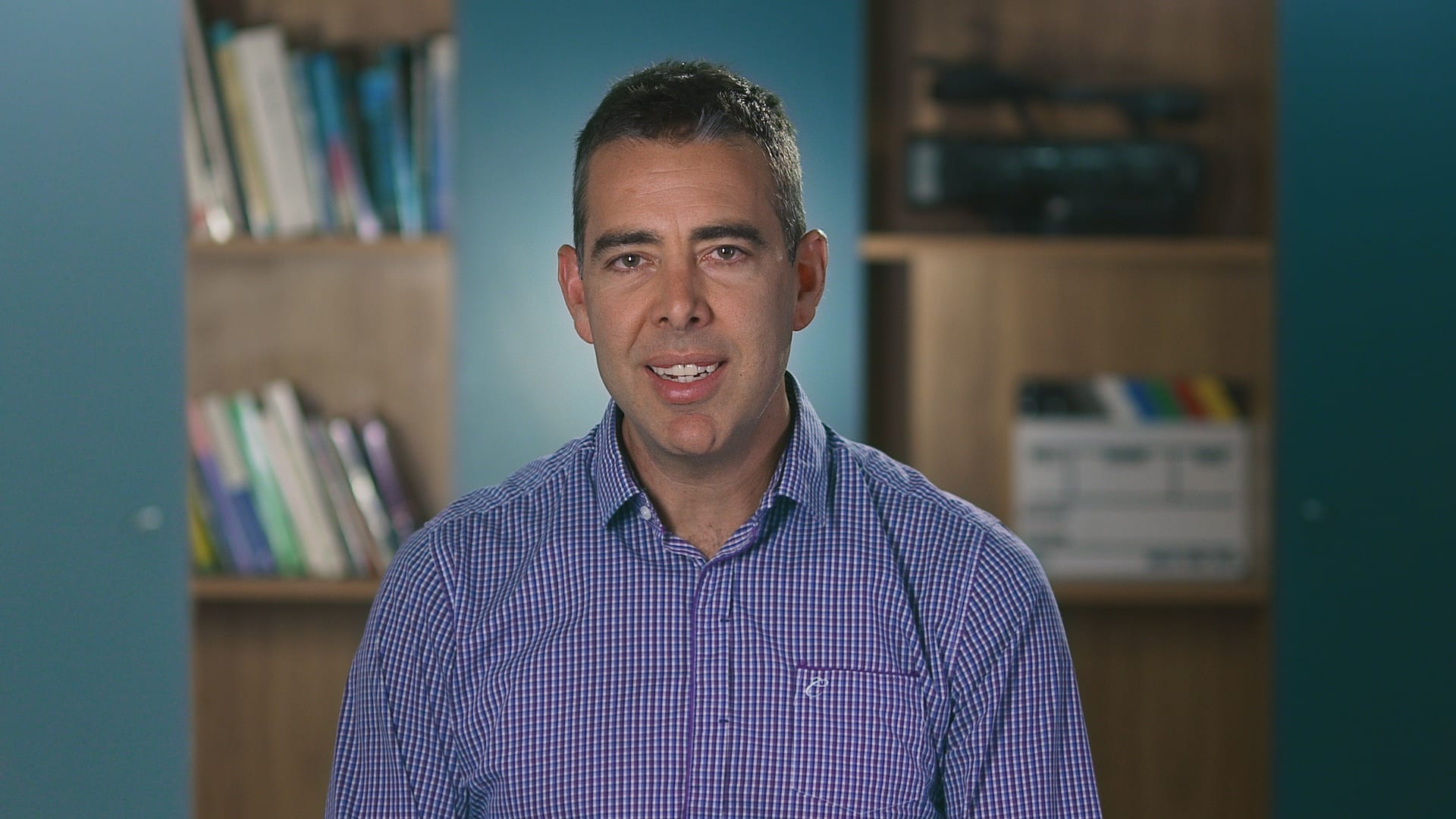
Ryan Spanger is the founder and managing director of Dream Engine, a Melbourne-based video production company established in 2002. With more than two decades of experience, Ryan has helped leading Australian businesses, government departments, and non-profits communicate their message with clarity and impact through video. He’s known for his strategic approach, reliable process, and commitment to producing videos that deliver measurable results.